Car modification culture is growing rapidly in 2026, especially with the rise of performance tuning, electric vehicle upgrades, and smart automotive technology. However, this growth is also changing the insurance industry.
Insurance companies are now using advanced data, AI systems, and real-time driving behavior tracking to evaluate modified vehicles more accurately than ever before. As a result, modified car insurance is becoming more expensive, more specialized, and more technology-driven.
Below are the most important trends shaping modified car insurance today.
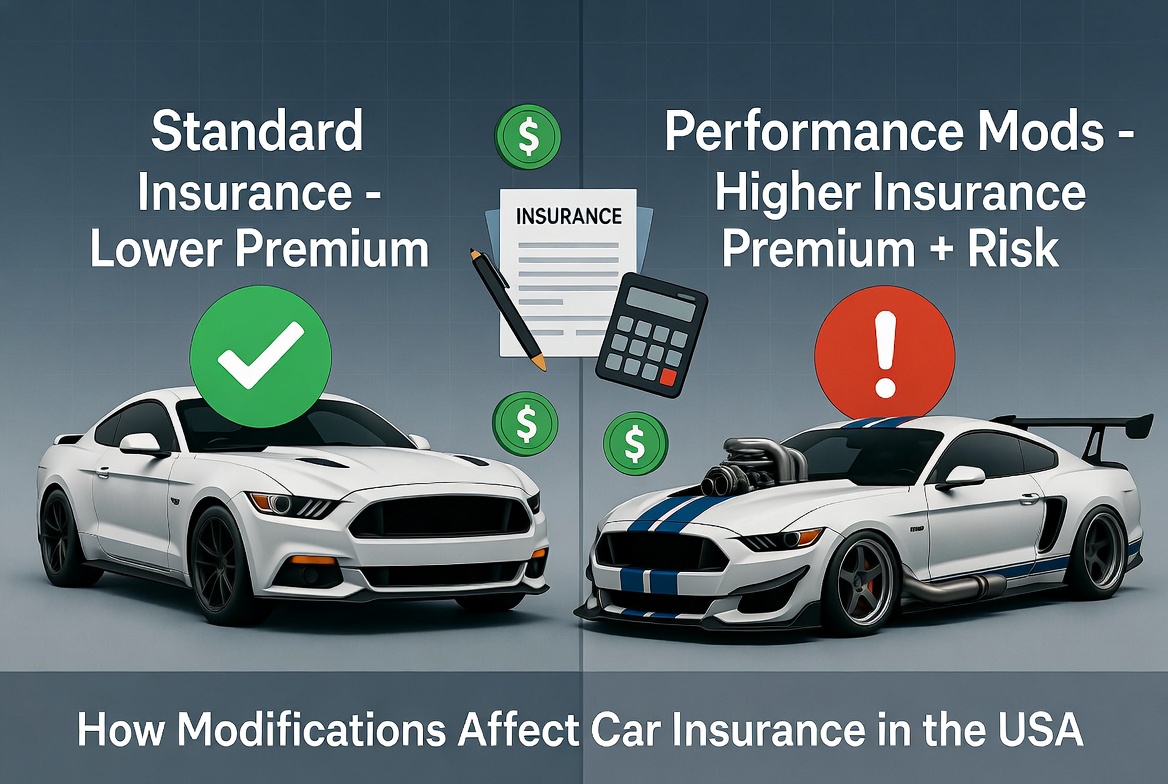
1. Higher Premiums for Performance Modifications
One of the strongest trends is the increase in insurance costs for performance upgrades.
Insurers now classify modifications like:
- ECU tuning and remapping
- Turbocharger or supercharger upgrades
- Exhaust system modifications
- Suspension lowering kits
as high-risk changes.
Why premiums are increasing:
- Higher horsepower increases accident risk
- Modified engines are more expensive to repair
- Faster acceleration leads to higher claim severity
Even small performance changes can significantly impact insurance pricing in 2026.
2. EV Modifications Are a New Insurance Category
Electric vehicles (EVs) are changing how insurers define modifications.
Common EV upgrades include:
- Battery capacity enhancements
- Software-based performance tuning
- Cooling system upgrades
- Motor efficiency modifications
Insurers treat modified EVs differently because:
- Repair costs are extremely high
- Battery damage is expensive
- Software updates can change performance behavior
This has created a new niche of specialized EV modified insurance policies.
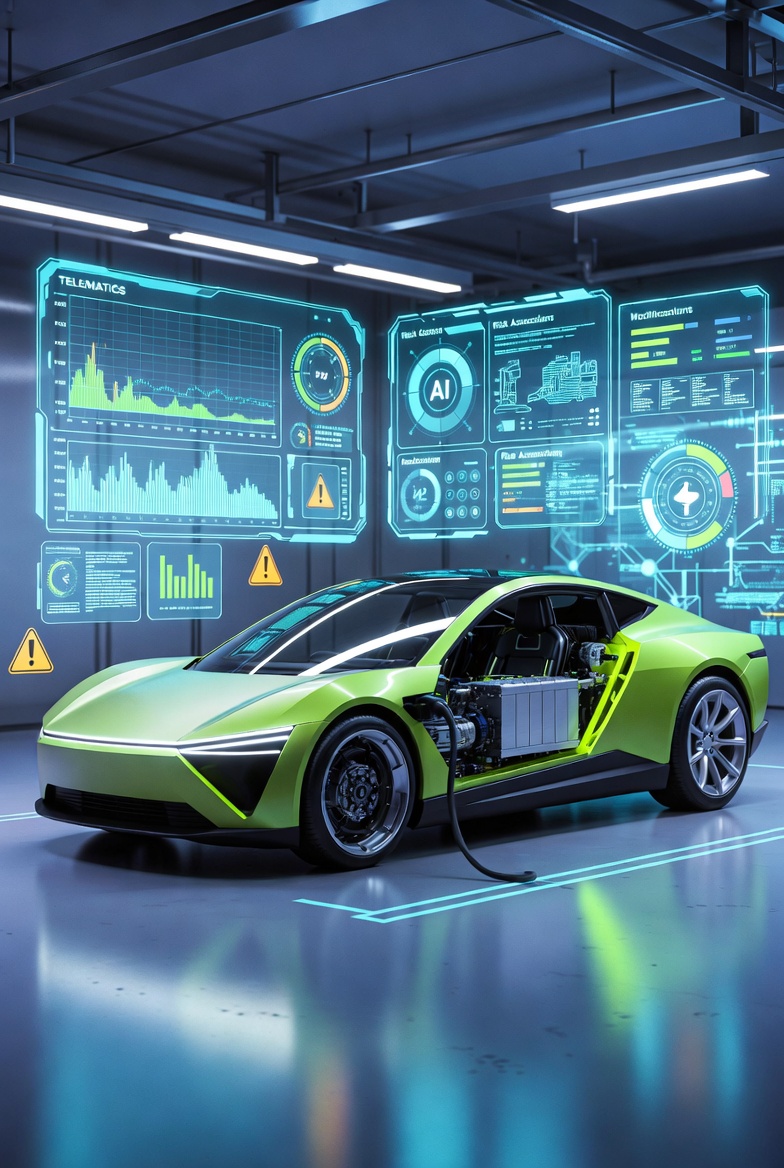
3. Telematics-Based Insurance Pricing
Modern insurance companies are increasingly using telematics systems (driving data tracking apps or devices).
These systems monitor:
- Speeding habits
- Acceleration patterns
- Braking behavior
- Cornering and driving style
For modified cars, this is especially important.
Trend impact:
- Safe drivers may get discounts even with mods
- Aggressive driving leads to higher premiums
- Real-time behavior matters more than car specs alone
This shift is making insurance more personalized but also more strict.
4. AI-Based Risk Assessment for Modified Cars
Insurance companies are now using artificial intelligence to evaluate modified vehicles.
AI systems analyze:
- Vehicle modification type
- Historical accident data
- Repair costs for aftermarket parts
- Theft risk based on modifications
This allows insurers to:
- Predict claim probability more accurately
- Adjust premiums instantly
- Flag high-risk modifications automatically
As a result, even small modifications are now easier for insurers to detect and price.
5. Strict Rules on Undeclared Modifications
A major trend in 2026 is stricter enforcement on undeclared mods.
Insurance companies increasingly require full disclosure of:
- Cosmetic modifications (wheels, body kits, wraps)
- Performance upgrades
- Suspension changes
- Exhaust systems
Why this matters:
- Undeclared mods can void insurance claims
- Insurers may refuse payouts if changes are not reported
- More digital inspections are being used during claims
This has made transparency extremely important for modified car owners.

6. Rising Demand for Specialized Modified Car Insurance
Standard insurance policies are often not enough for heavily modified vehicles.
This has led to growth in:
- Agreed-value insurance policies
- Classic and performance car insurance providers
- Custom modification coverage plans
These policies typically offer:
- Coverage for aftermarket parts
- Higher vehicle value protection
- Flexibility for performance upgrades
This trend is especially popular among car enthusiasts and collectors.
7. Increased Repair and Replacement Costs
Modern cars are more complex than ever, which is affecting modified insurance pricing.
Reasons include:
- Advanced driver assistance systems (ADAS)
- Expensive electronic components
- Specialized repair labor requirements
- Limited availability of aftermarket parts for new models
Even small accidents in modified vehicles can now result in expensive repairs, increasing insurance risk.
8. Higher Insurance Scrutiny on Modified SUVs and Trucks
Lifted trucks and modified SUVs are facing tighter insurance rules.
Insurers now closely evaluate:
- Suspension lift height
- Tire size changes
- Stability and rollover risk
- Off-road usage probability
These vehicles are often classified as higher risk, especially when modifications affect handling or safety systems.
9. Location-Based Insurance Pricing for Modified Cars
Another growing trend is geographic risk-based pricing.
Insurance costs vary depending on:
- Urban vs rural areas
- Theft rates of modified vehicles
- Local modification laws
- Accident frequency in the region
In high-density cities, modified cars often face significantly higher premiums.
10. Integration of Software Updates and Vehicle Modifications
Modern vehicles are increasingly software-driven, meaning modifications are no longer only physical.
Insurers now consider:
- ECU software changes
- Over-the-air updates affecting performance
- Custom tuning software installations
This creates a new challenge because a car’s performance can change without any visible physical modification.
Conclusion
The world of modified car insurance is changing rapidly in 2026. Insurance companies are moving toward smarter, data-driven systems that evaluate risk based on performance, driving behavior, and software changes.
Key trends include:
- Higher premiums for performance mods
- Growth of EV modification coverage
- AI and telematics-based pricing
- Stricter rules on undeclared modifications
- Increased demand for specialized insurance policies
For car enthusiasts, this means one important thing: modifications are still allowed, but they must be properly declared, insured, and managed responsibly to avoid financial risk.