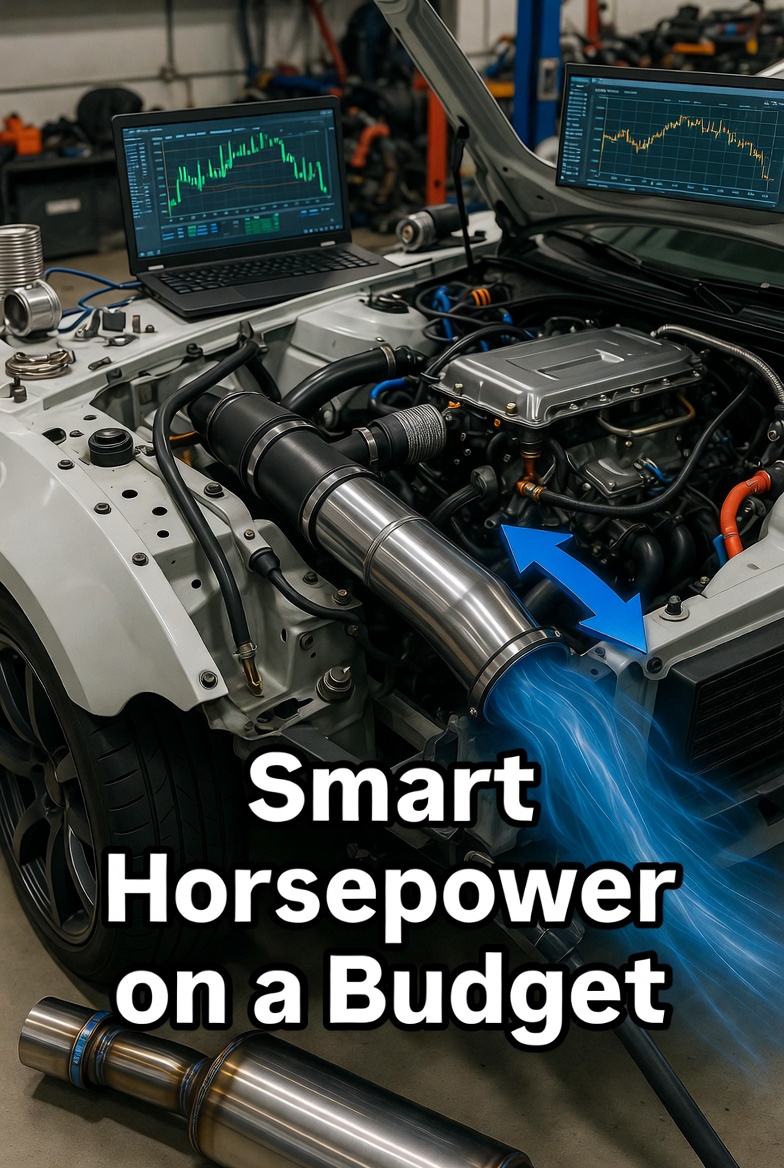
Car performance modification has changed completely over the last few years. It is no longer just about exhausts, turbo kits, or engine swaps. In 2026, performance tuning is driven by software, artificial intelligence, electrification, and smart engineering systems.
Modern cars are basically computers on wheels, and today’s performance mods focus more on unlocking hidden power through digital systems rather than only mechanical upgrades. Below are the most important and latest innovations in car performance modifications.
1. Advanced ECU Tuning and AI-Based Remapping
One of the biggest breakthroughs in performance mods is the evolution of ECU tuning.
Modern tuning now includes:
- Cloud-based ECU remapping
- AI-optimized fuel and ignition maps
- Real-time adaptive tuning
- Remote tuning through apps and OBD devices
Instead of manual tuning, AI systems analyze driving behavior and automatically adjust performance for power or efficiency. This makes tuning more precise and safer than ever before.
2. Plug-and-Play Performance Tuners (OBD Devices)
New plug-and-play tuning devices have made performance upgrades easier for everyday drivers.
These devices:
- Connect through the OBD-II port
- Modify ECU signals without opening the engine
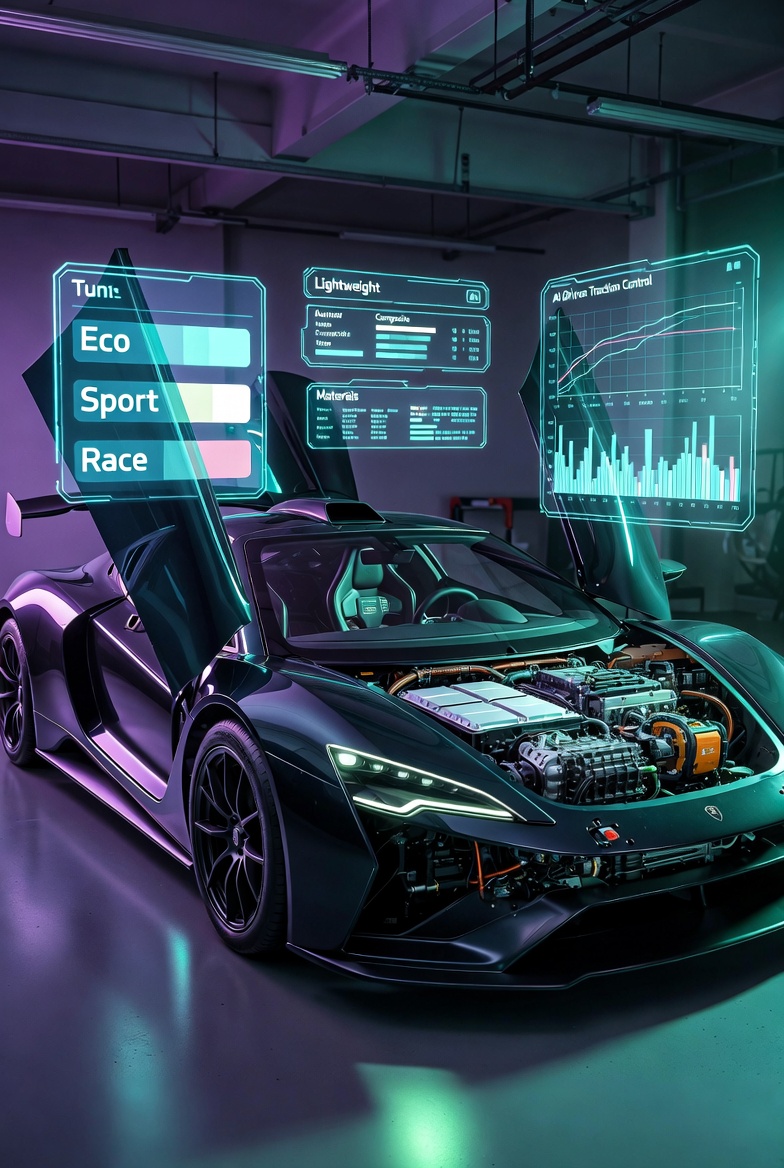
- Offer selectable modes (Eco, Sport, Race)
- Can be removed anytime without permanent changes
This innovation has made performance tuning more accessible and reversible compared to traditional ECU flashing methods.
3. Hybrid and Electric Performance Upgrades
With EVs and hybrids becoming mainstream, performance mods are shifting toward electric systems.
New innovations include:
- Battery management tuning for faster acceleration
- Motor controller optimization
- Thermal performance upgrades for battery cooling
- Dual-motor torque balancing systems
Electric vehicles respond instantly to tuning changes, making them one of the most exciting areas of performance innovation.
4. Smart Turbo Systems with Anti-Lag Technology
Turbo technology has also evolved significantly.
Modern systems now include:
- Electric turbo assist (reduces lag completely)
- Advanced anti-lag systems
- Variable geometry turbochargers
- AI-controlled boost pressure adjustment
These systems ensure instant acceleration and smoother power delivery across all RPM ranges.
5. Adaptive Suspension with Real-Time AI Control
Suspension systems are no longer static or manually adjustable.
New adaptive systems:
- Adjust stiffness in milliseconds
- Use sensors to read road conditions
- Automatically change damping during cornering
- Offer “comfort to track” transitions instantly
AI-based suspension tuning improves both performance and safety at the same time.
6. Smart Traction and Stability Control Systems
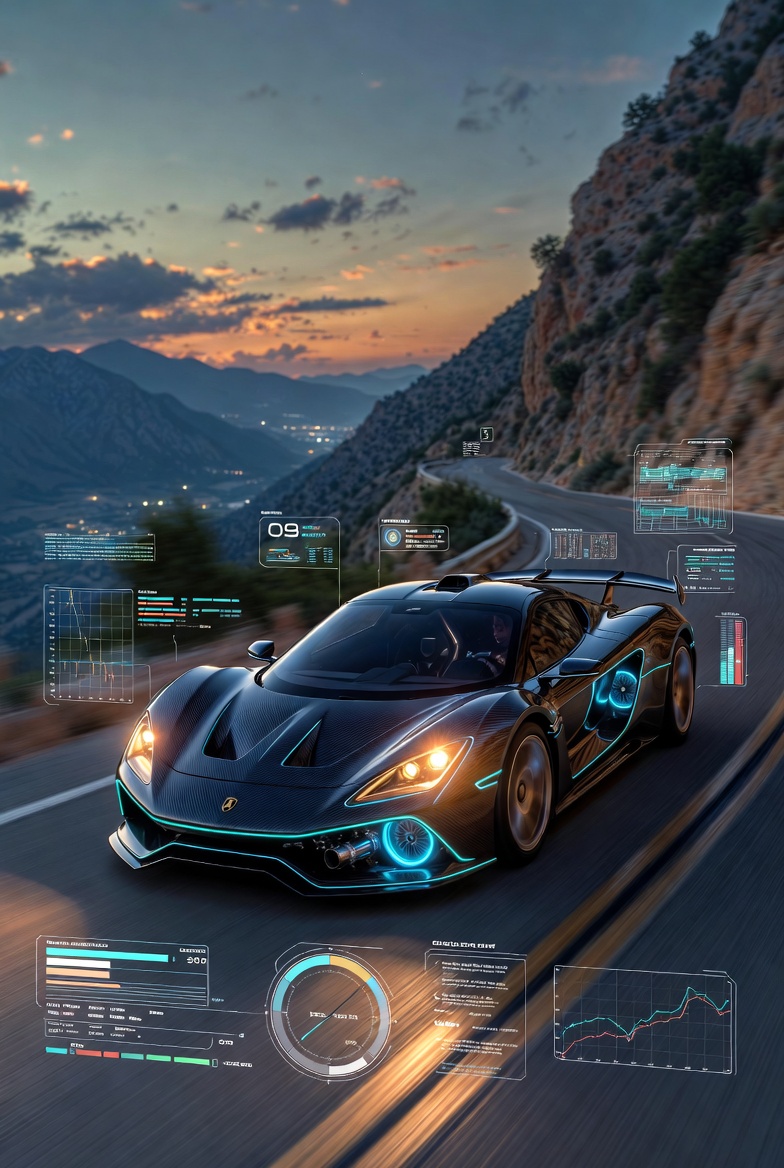
Traction control is becoming more intelligent and less restrictive.
Modern systems now:
- Allow controlled wheel slip for performance driving
- Adjust based on road surface conditions
- Use predictive algorithms to prevent loss of grip
- Adapt differently for wet, dry, or track conditions
This allows drivers to enjoy performance while still maintaining safety.
7. Lightweight Composite Performance Parts
Material science is playing a huge role in modern modifications.
Innovations include:
- Carbon fiber body panels
- Lightweight alloy wheels
- 3D-printed titanium components
- Ultra-light chassis reinforcement materials
Reducing weight improves acceleration, braking distance, and handling without increasing engine power.
8. Smart Exhaust Systems with Active Sound Control
Exhaust systems are now electronically controlled.
New features include:
- Valve-controlled exhaust flow
- Adjustable sound modes (quiet to aggressive)
- Performance-optimized backpressure control
- AI sound tuning inside the cabin
This allows drivers to switch between comfort and performance sound profiles instantly.
9. Connected Performance Apps and Remote Tuning
Modern performance mods are now fully connected to smartphones.
Drivers can:
- Change ECU settings from mobile apps
- Monitor horsepower, torque, and boost in real time
- Update tuning profiles over-the-air
- Track performance logs and driving data
This makes tuning more flexible and data-driven than ever before.
10. Predictive AI Driving Performance Systems
One of the newest innovations is predictive performance technology.
These systems:
- Learn driver behavior over time
- Pre-adjust engine response before acceleration
- Optimize gear shifts based on road conditions
- Improve lap times automatically on performance vehicles
This creates a semi-autonomous performance experience where the car actively helps improve driving efficiency and speed.
11. Smart Cooling and Thermal Management Systems
As performance increases, heat management becomes critical.
Modern upgrades include:
- AI-controlled engine cooling
- High-efficiency intercoolers
- Transmission oil cooling systems
- Battery temperature optimization for EVs
These systems allow engines to maintain peak performance for longer periods without overheating.
12. Digital Dash Performance Analytics
Performance tracking has become more advanced and interactive.
Drivers now get:
- Real-time G-force measurement
- Acceleration timers
- Boost and torque visualization
- Lap performance tracking
This helps drivers understand exactly how their car performs under different conditions.
Conclusion
The latest innovations in car performance modifications show a major shift from mechanical tuning to software-driven, AI-enhanced, and electrified performance systems.
Instead of just adding horsepower through physical upgrades, modern tuning focuses on:
- Smart ECU optimization
- Electric and hybrid performance tuning
- Adaptive suspension and traction systems
- Connected digital performance control
In 2026, performance modification is no longer just about making a car faster—it is about making it smarter, more efficient, and fully customizable in real time.