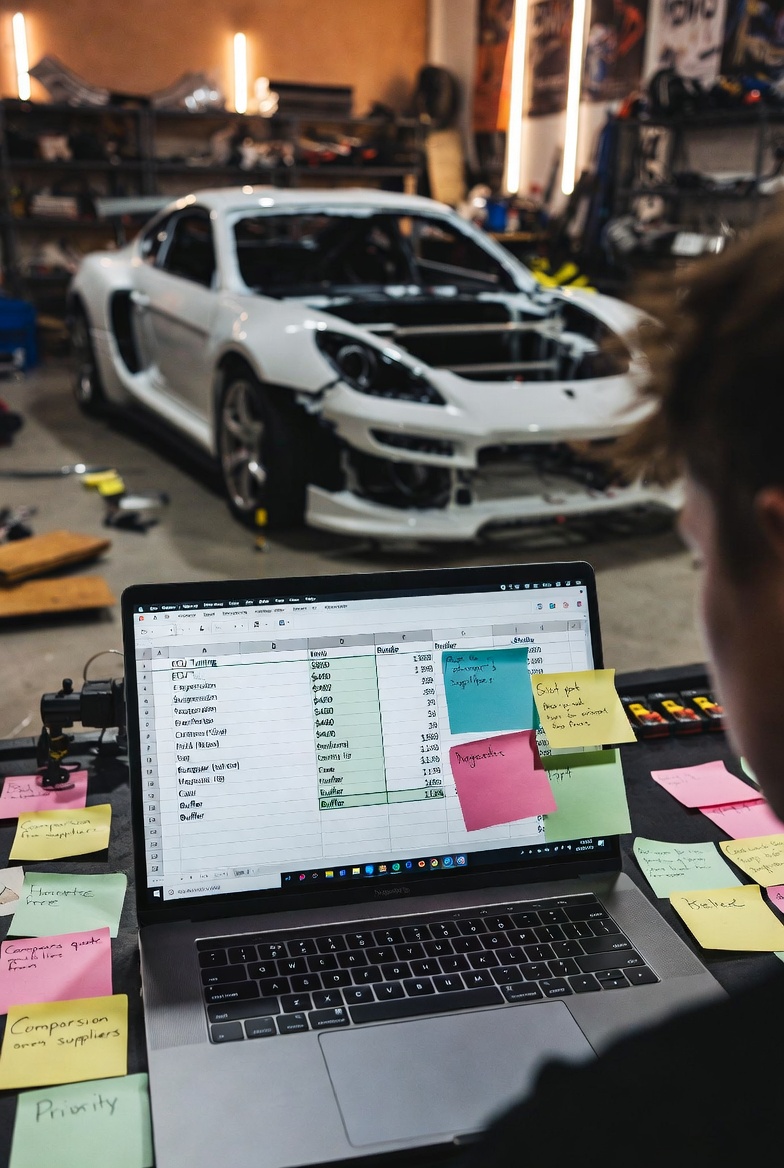
Car modification projects often start with excitement but quickly run into one major problem:
budget conflicts. You may plan a simple upgrade, but costs rise due to parts, labor, tuning, and unexpected repairs.
Handling cost conflicts properly is important so your project doesn’t get delayed, abandoned, or financially stressful.
Below are the most effective ways to manage and control modification costs without compromising your goals.
1. Set a Clear Total Budget Before Starting
The biggest mistake car enthusiasts make is starting modifications without a fixed budget.
You should always define:
- Total modification budget
- Maximum limit (buffer amount)
- Priority spending areas
Example:
If your budget is $2,000, decide in advance:
- Engine mods: 50%
- Suspension: 20%
- Styling: 20%
- Emergency buffer: 10%
This prevents overspending on unnecessary upgrades.
2. Prioritize Performance vs Cosmetic Mods
Conflicts often happen when you mix cosmetic and performance upgrades.
To manage cost:
- Focus first on performance upgrades (engine, brakes, suspension)
- Add cosmetic mods later (body kits, paint, lights)
Why this matters:
Performance mods often improve driving safety and value, while cosmetic mods are optional and can be postponed.
3. Compare Multiple Suppliers and Workshops
Prices vary significantly between shops.
To reduce cost conflicts:
- Get at least 3 quotes before installation
- Compare OEM vs aftermarket parts
- Check online vs local pricing
- Look for package deals
Even small comparisons can save a large portion of your budget.
4. Avoid Over-Modifying at Once
Another common issue is trying to upgrade everything in one go.
Instead:
- Modify in stages
- Install and test each upgrade
- Evaluate performance before next step
This helps control spending and prevents unnecessary modifications.
5. Use Quality Aftermarket Parts Instead of Premium Brands
Premium brands are not always necessary for every build.
Smart approach:
- Use OEM-quality aftermarket parts
- Avoid overpriced brand-only upgrades
- Focus on performance value, not brand name
This reduces cost while still maintaining reliability.
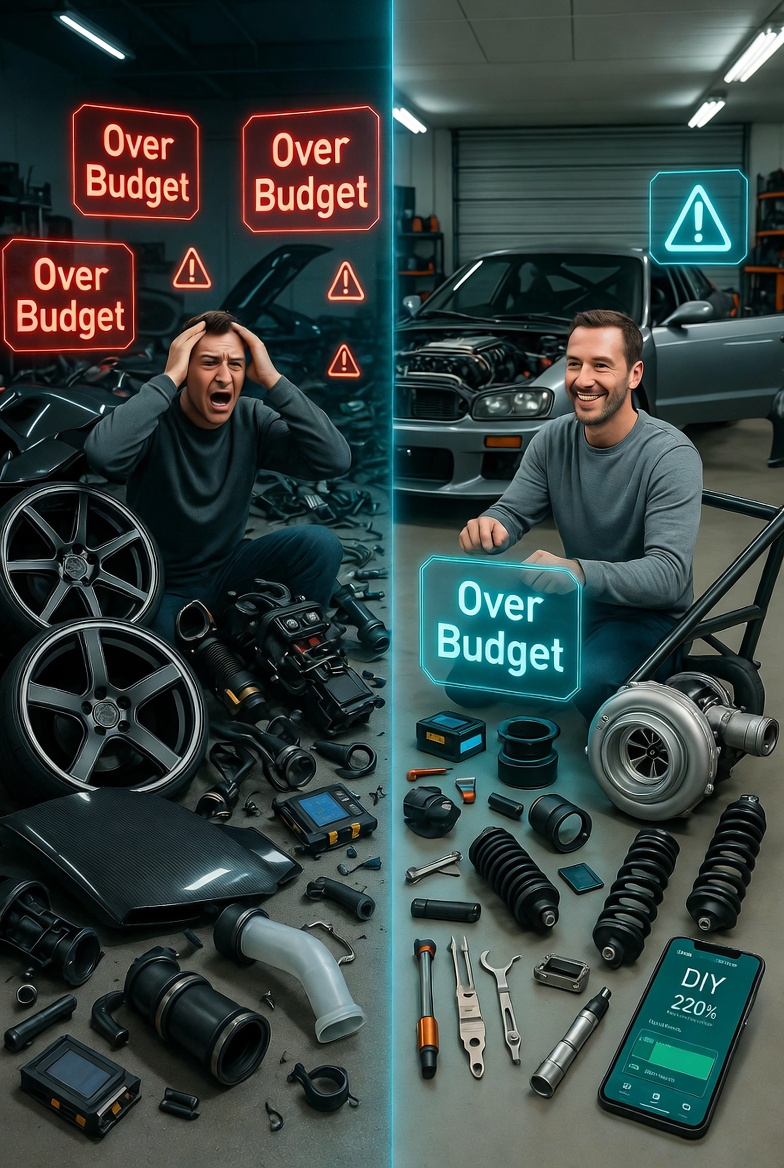
6. Consider DIY Installations for Simple Mods
Labor costs often make modifications expensive.
You can save money by doing:
- Air filter replacement
- Basic interior upgrades
- Simple bolt-on parts
- Software app-based tuning (if safe and supported)
But avoid DIY for:
- ECU tuning
- Brake system work
- Engine internals
7. Plan for Hidden and Unexpected Costs
Many people forget additional costs such as:
- Installation charges
- Tuning and calibration
- Maintenance after modification
- Insurance adjustment
- Replacement parts if something fails
Always add 15–25% extra budget for unexpected expenses.
8. Balance Performance Goals with Budget Reality
Sometimes conflicts happen because goals are unrealistic.
Instead of trying to build a race car on a small budget:
- Focus on incremental upgrades
- Improve one system at a time
- Accept performance limits based on budget
This keeps your project realistic and sustainable.
9. Avoid Cheap Low-Quality Parts
Cheap parts may look like a saving, but often cause:
- Early failure
- Extra repair costs
- Poor performance
- Safety risks
In the long run, low-quality parts increase total modification cost.
10. Track Every Expense
Keep a simple record of:
- Parts purchased
- Labor costs
- Tuning expenses
- Maintenance costs
This helps you:
- Stay within budget
- Identify overspending areas
- Plan future upgrades better
Conclusion
Handling cost conflicts in car modifications is all about planning, prioritizing, and controlling spending habits. A successful build is not the one that spends the most money—it is the one that balances performance, quality, and budget wisely.
If you plan your upgrades in stages, compare prices, and avoid unnecessary changes, you can build a high-performance car without financial stress.