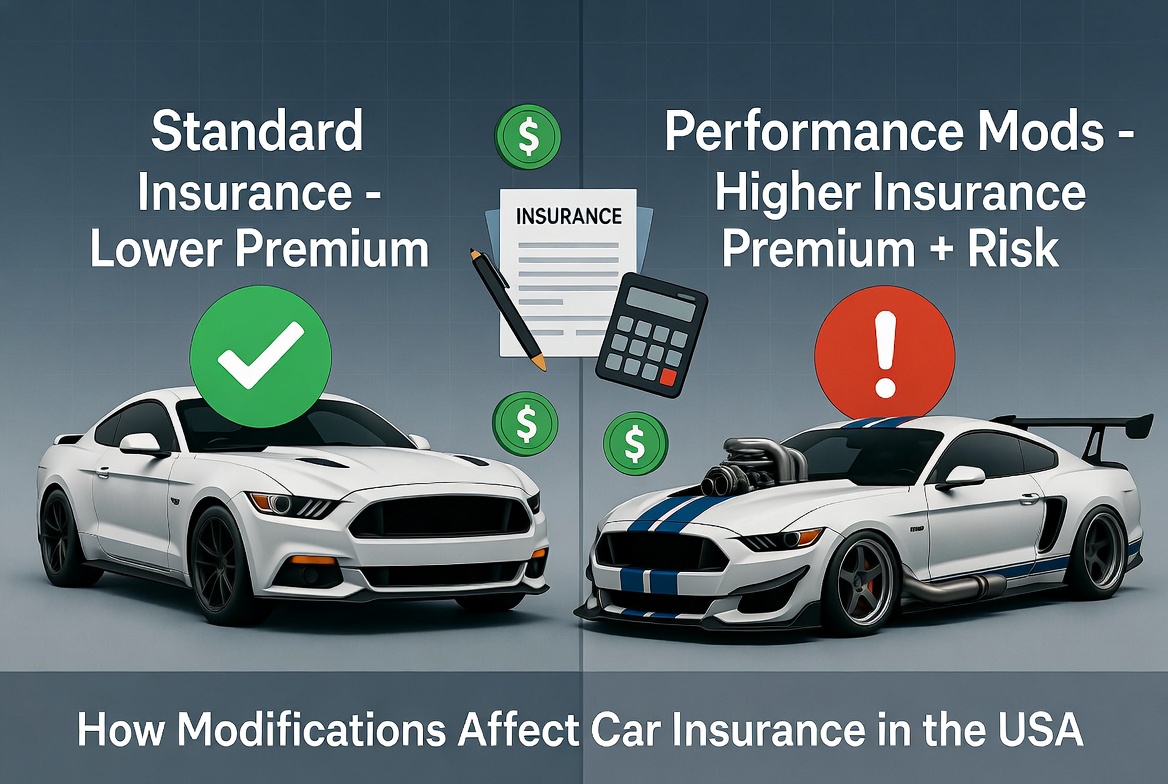
Car modification is deeply connected to identity in the United States. For many drivers, upgrading a vehicle is not just about speed or appearance, but about personalization and control. Performance mods in particular are designed to push a car beyond factory limits, making it faster, more responsive, and more exciting to drive. However, as soon as a car is modified, a new question begins to surface that many people overlook at the start: how do these changes affect car insurance?
The relationship between performance modifications and car insurance in the United States is complex. It is not simply a matter of higher or lower premiums. Instead, it reflects how insurance companies assess risk, value, and driver behavior. When a vehicle is modified for performance, insurers often view it differently than a standard factory vehicle, and this shift in perception directly influences pricing.
At its core, car insurance pricing is based on risk. Insurance companies calculate how likely it is that a vehicle will be involved in an accident, stolen, or damaged, and how expensive it would be to repair or replace. Performance modifications tend to affect all three of these factors. A car that produces more horsepower or accelerates faster may be seen as more likely to be driven aggressively. Even if the owner drives responsibly, the potential risk profile of the vehicle changes in the eyes of the insurer.
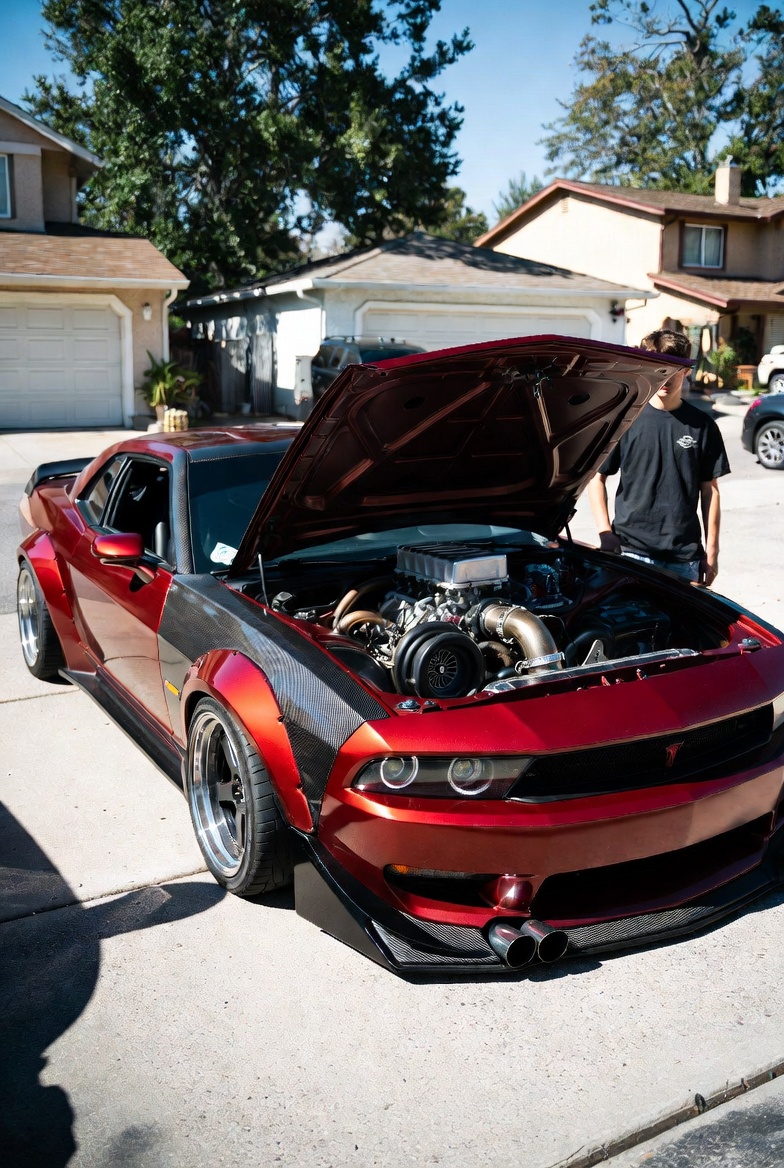
One of the main reasons performance mods can increase insurance costs is the increase in vehicle value. When you install aftermarket parts such as turbochargers, upgraded exhaust systems, or ECU tuning, you are essentially adding money into the car. From an insurance perspective, this means a higher payout in case of theft or total loss. Many standard insurance policies do not automatically cover aftermarket modifications, which means drivers often need to upgrade their coverage or add specific endorsements. This additional protection naturally comes with a higher premium.
Another important factor is repair cost. Modified cars can be more expensive to fix, especially if they use specialized or imported parts. In the United States, labor rates for performance shops are already high, and when combined with custom components, repair bills can rise quickly. Insurance companies take this into account when calculating premiums, as higher repair costs translate into higher risk for the insurer.
There is also the issue of classification. Some insurers may classify heavily modified cars differently, sometimes placing them into categories that resemble high-performance or sports vehicles. This reclassification can significantly impact insurance rates. Even if the base car was originally considered economical, the addition of performance mods can push it into a more expensive insurance bracket.
However, it is important to understand that not all performance mods have the same impact on insurance. Minor upgrades such as performance air filters or basic exhaust changes may not drastically affect premiums, especially if they do not significantly alter the car’s performance or value. On the other hand, major modifications like turbo kits, superchargers, or engine swaps are more likely to trigger noticeable increases in insurance costs.
The way insurance companies handle modifications also varies widely across the United States. Some insurers are more flexible and offer specialized policies for modified cars, while others may be stricter and even refuse coverage for heavily modified vehicles. This variation means that two drivers with similar modifications could end up paying very different premiums depending on their provider and location.
Disclosure plays a critical role in this entire process. In the United States, it is generally expected that drivers inform their insurance company about any significant modifications made to their vehicle. Failing to disclose mods can lead to serious consequences. In the event of a claim, the insurer may deny coverage if they discover undisclosed modifications, leaving the car owner responsible for the full cost of repairs or replacement. This makes transparency not just important, but essential.
Interestingly, not all modifications lead to higher insurance costs. Some upgrades that improve safety or reduce theft risk can have a neutral or even positive effect. For example, installing better brakes, advanced suspension systems, or anti-theft devices may be viewed favorably by insurers. These types of modifications can enhance vehicle control and security, which may offset some of the risk associated with performance enhancements.
Location is another key factor that influences how performance mods affect insurance in the United States. States with higher traffic density, accident rates, or theft levels tend to have higher base insurance costs. When performance mods are added into the equation, the increase can be more pronounced in these areas. Additionally, certain states have stricter regulations regarding vehicle modifications, which can indirectly affect insurance policies and premiums.
Age and driving history also interact with modification-related costs. Younger drivers or those with a history of accidents may see a sharper increase in premiums when they modify their cars. This is because insurers combine driver risk with vehicle risk when determining pricing. A high-risk driver with a high-performance modified car represents a greater overall risk than an experienced driver with a clean record.
Another aspect worth considering is agreed value insurance. In some cases, owners of heavily modified cars choose specialized insurance policies where the value of the car is agreed upon in advance. This type of coverage ensures that the owner is properly compensated for the modifications in case of a total loss. While this offers better protection, it also comes with higher premiums compared to standard policies.
The financial impact of performance mods on insurance is not always immediate, but it becomes more noticeable over time. As more modifications are added, the cumulative value of the car increases, and so does the complexity of insuring it. What starts as a small premium increase can grow into a significant cost depending on how far the modifications go.
Despite these factors, performance mods continue to be popular across the United States. This is because the decision to modify a car is rarely based on financial considerations alone. It is driven by passion, creativity, and the desire to create a driving experience that feels unique. For many enthusiasts, the added insurance cost is simply part of the overall investment in their vehicle.
In the broader picture, performance modifications do tend to increase car insurance costs in the United States, but the extent of the increase depends on multiple variables. The type of modification, the value it adds, the insurer’s policies, and the driver’s profile all play a role in determining the final premium. There is no universal rule, but the trend is clear: as performance increases, so does the perceived risk.
Understanding this relationship allows car owners to make more informed decisions. It highlights the importance of planning modifications not just from a performance perspective, but also from a financial and legal standpoint. By considering insurance implications early on, drivers can avoid surprises and ensure that their modified vehicle remains both enjoyable and properly protected.
In the end, performance mods do more than change how a car drives. They change how it is viewed by insurers, how it is valued, and how it fits into the broader system of risk and responsibility. That shift is what ultimately shapes the cost of insurance in the United States.